Indigenize.Tech

Indigenous-led consulting, data, and learning tools
rooted in Coast Salish / Snuneymuxw teachings.

I work with health systems, communities, and partners to confront Indigenous-specific racism, make data accountable to Indigenous peoples, and build tools that help children connect with language and culture.


Indigenous Health & Cultural Safety

System-level collaboration with health authorities to address Indigenous-specific racism, improve cultural safety, and align analytics with Indigenous data sovereignty.

Homelessness & Community Data

Support for Point-in-Time homeless counts, Indigenous-focused analysis, and community presentations that make data understandable, accountable, and actionable.

Indigenize Toys & Learning Tools

Prototyping audio plush toys and learning devices – plus workshops – that bring Indigenous language, stories, and technology together for children and families.


Rooted in who I am

I am a Coast Salish man from Snuneymuxw First Nation, working at the intersection of Indigenous health, homelessness, and technology. Indigenize.Tech is grounded in relationships, treaty rights, and a commitment to make systems more accountable to Indigenous peoples — not just more efficient.

Indigenize Toys

Language-and-culture-first toys and learning tools for language nests, families, and community programs.

Indigenize Toys began as a way to bring Indigenous languages and stories into kids’ daily lives – in homes, daycare rooms, language nests, and classrooms. The goal is simple: surround children with familiar words, songs, and teachings, using technology that fades into the background.

Audio plush toys

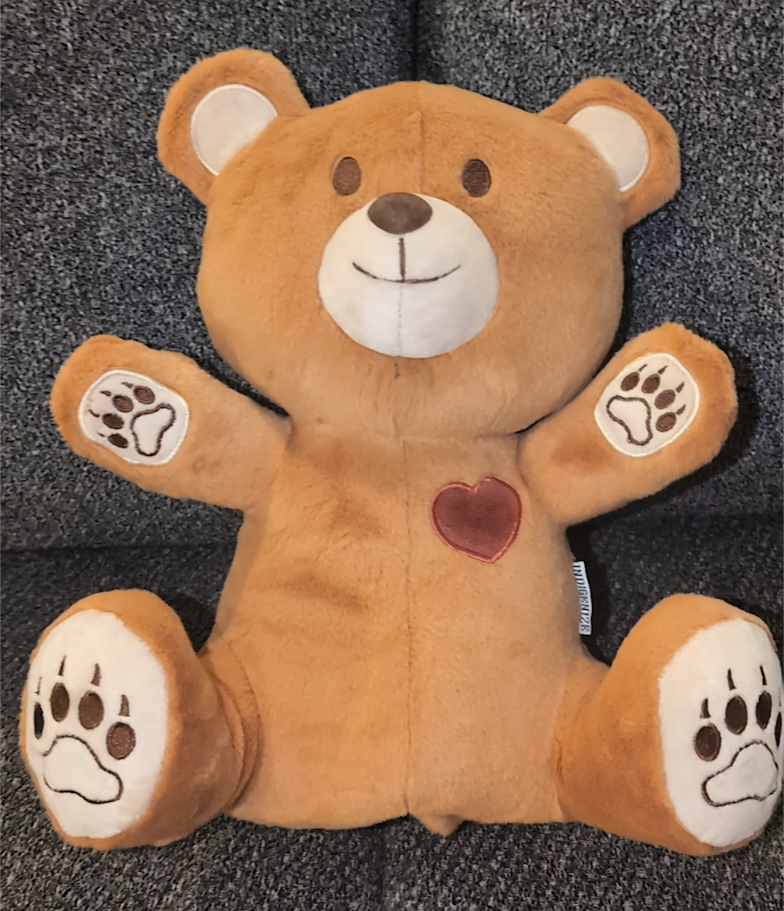
Soft, durable plush characters that play words, songs, and short teachings in Indigenous languages. Designed for language nests, early learning centers, and families seeking daily language immersion.

Status: Prototyping with communities and educators.

Flash-card readers & devices

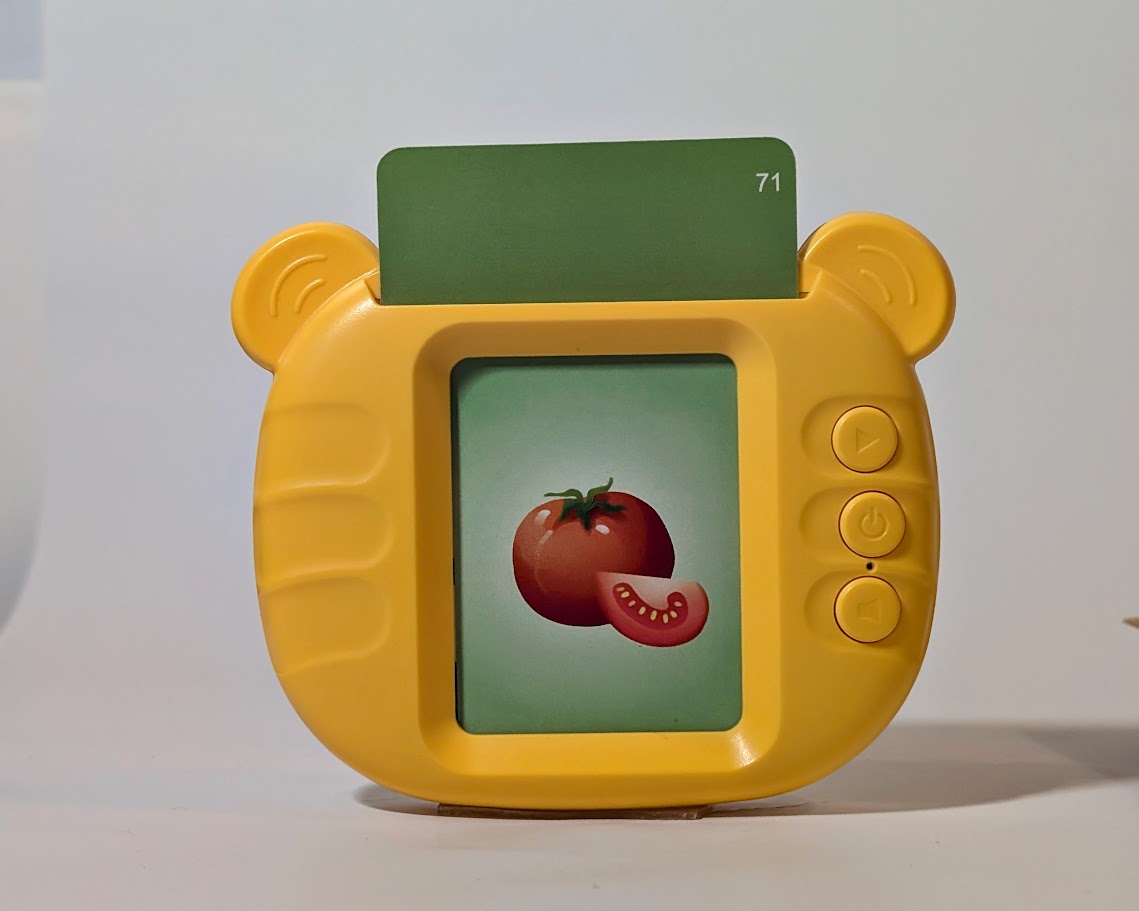
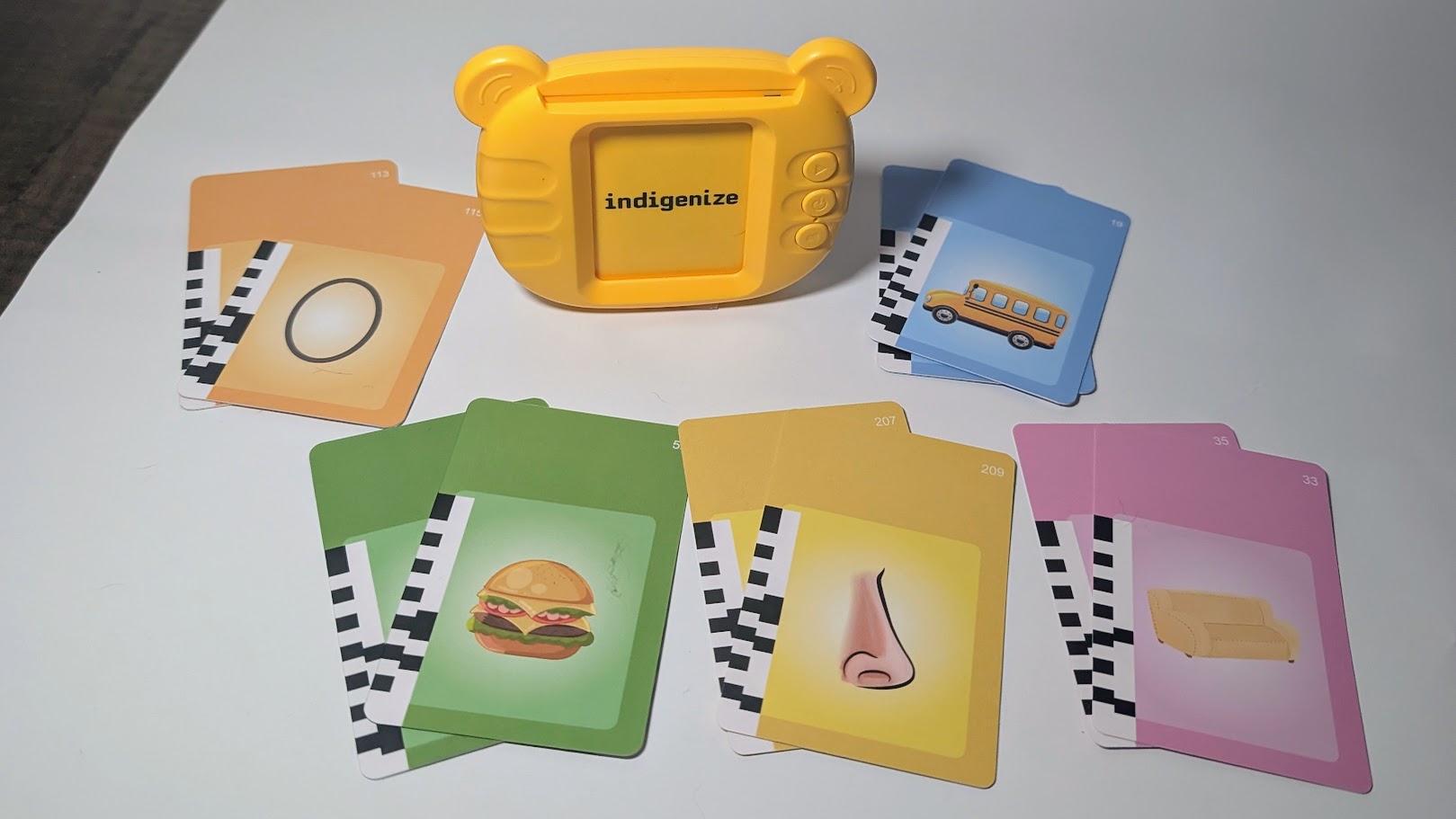
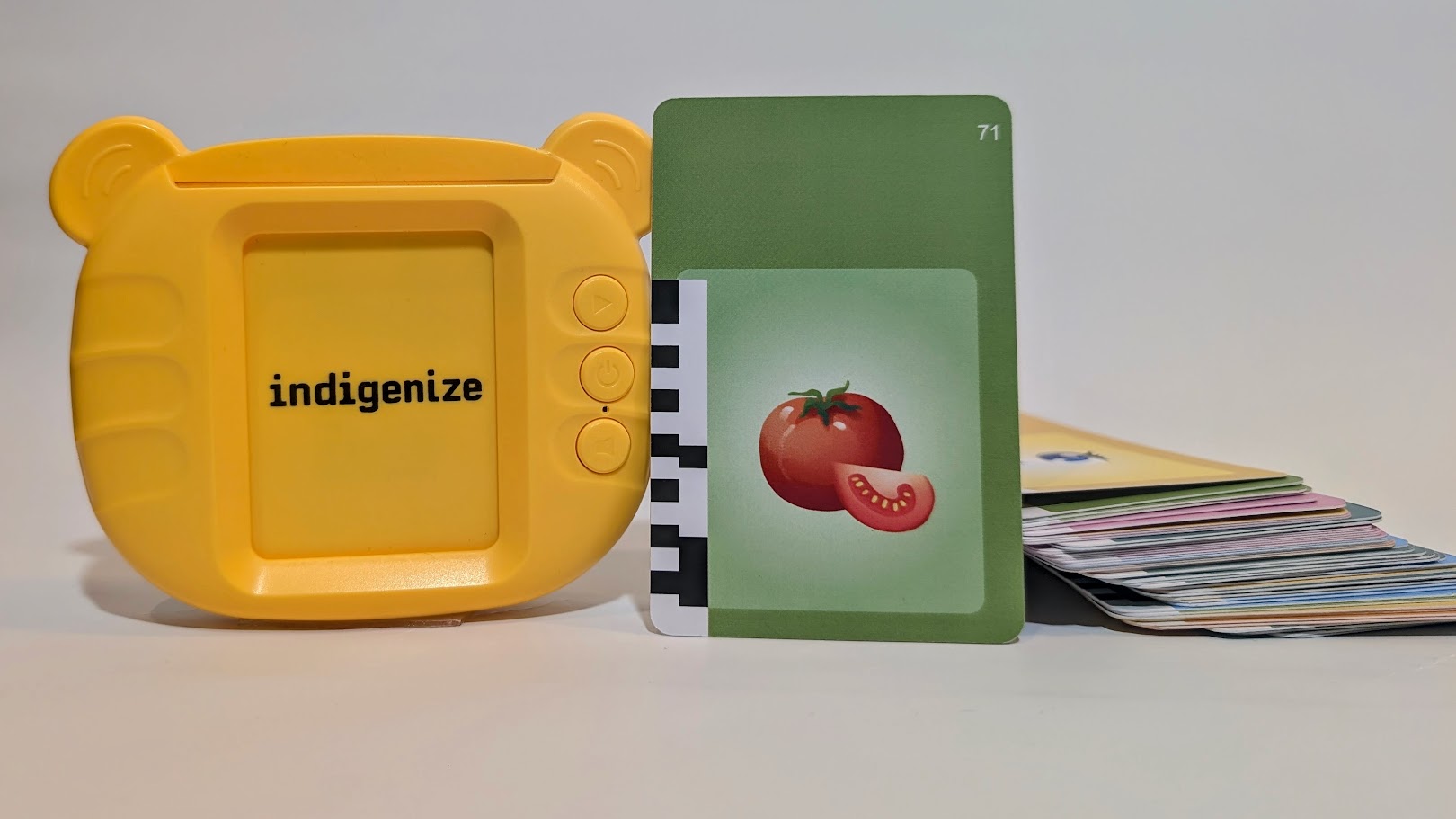
Simple, child-friendly devices that read tagged cards or pages aloud, connecting printed words and images with spoken language. Built to work offline and be repairable, not disposable.

Status: Core platform in development; looking for pilot partners.

Future concepts & kits

Early ideas for build-it-yourself kits, makerspace activities, and custom enclosures that communities can adapt for their own stories, languages, and teachings.

Status: Open to co-design and collaboration.

See and hear the toys in action

A short presentation walks through the vision for Indigenize Toys, early prototypes, and how the platform can adapt to different languages and communities.

Workshops & co-design

  • Co-design sessions with language nests, immersion programs, and Elders for authentic content.
  • Makerspace or STEM workshops that integrate Indigenous perspectives in hardware and coding.
  • Family-focused sessions where children create language-rich tools to take home.

Partnership opportunities

  • Pilot projects in communities, schools, and language programs.
  • Collaborations with Indigenous language departments, cultural centers, and funding partners.
  • Support from funders eager to back language revitalization and early learning innovation.

Follow our progress

Prototype photos and behind-the-scenes updates are shared most often on Instagram.

Consulting

Indigenous-led consulting, analytics, and facilitation grounded in Coast Salish teachings, Indigenous data governance, and OCAP principles.

Indigenous health & cultural safety

Work with health authorities and organizations to confront Indigenous-specific racism, embed cultural safety, and align analytics and reporting with Indigenous priorities.

Services include

  • Cultural safety and anti-racism sessions tailored for data, analytics, and leadership teams
  • Indigenous self-identification and data governance advisory (guided by OCAP principles)
  • Current-state and gap analysis for Indigenous health and equity initiatives
  • Design and facilitation of Indigenous working groups and advisory tables

Homelessness & community data

Support for Point-in-Time counts and community data projects with a clear Indigenous lens, centering lived experience and local governance instead of just “numbers.”

Services include

  • Point-in-Time count design, analysis, and reporting
  • Indigenous-focused interpretation of homelessness and housing data
  • Community presentations and briefings for councils, partners, and funders
  • Support for funding proposals using evidence, stories, and local context

How I work

  1. Discovery and alignment – clarify the problem, context, and who needs to be at the table.
  2. Scope and proposal – right-sized options that reflect timelines, capacity, and budget.
  3. Co-created plan – work guided by Indigenous principles, relationships, and accountability.
  4. Delivery and reflection – clear outputs, next steps, and space to reflect on impacts.

Publications and reports

Selected work in Indigenous health, homelessness and housing, and Indigenous data governance.

Homelessness & housing

  • 2024 Nanaimo Point-in-Time Homeless Count – Indigenous Data Brief
    Lead analyst and co-author. Focus on Indigenous over-representation, local context, and implications for housing, services, and systems change.
  • Nanaimo Housing Solutions Framework (2023)
    Contributor. Developed for local planners to incorporate Indigenous perspectives and data into housing strategy.

Indigenous health & cultural safety

  • Indigenous Health Data Equity Framework
    Project lead. Framework to guide health systems in using Indigenous governance for data and promoting cultural safety.
  • Health Analytics Training Modules (internal report)
    Developed for health leadership to support better use of Indigenous self-identification, data governance, and accountability.

Data governance & analytics

  • Indigenous Data Governance Primer
    Contributor. Explores Indigenous data sovereignty, OCAP principles, and analytics within Indigenous-led governance.
  • Presentations and talks
    Speaker at conferences and workshops on Indigenous data sovereignty, homelessness data, and community-driven analytics.

A more detailed list of publications, reports, and presentations is available on request.

Media & News

Selected coverage and talks featuring Jon Rabeneck’s work and Indigenize Toys.

Fast Company – Indigenous Innovation

Feature story on Indigenous innovation highlighting Indigenize Toys and the use of ancestral songs and stories embedded in tech to support early language learning.

Read the article

Nanaimo Homelessness Count

Local news coverage of the 2024 Nanaimo Point-in-Time count, where Jon served as consultant and emphasized homelessness as a direct legacy of colonization impacting Indigenous people.

Read the story

Virtual Care Research (RCCbc)

Co-authored research on real-time virtual supports improving healthcare equity and access in Indigenous communities, published in Healthcare Management Forum.

Read the research summary

UBC Indigenous Health Rounds

Speaker at UBC’s Indigenous Health Rounds on culturally safe virtual healthcare, drawing on frontline and system-level experience in Indigenous communities.

Event details

Instagram

Snapshots from Indigenize Toys builds and life on Coast Salish territories.

About Jon

Coast Salish / Snuneymuxw consultant combining Indigenous cultural knowledge with expertise in health data and technology.

Who I am

I am a Coast Salish man from Snuneymuxw First Nation, living and working on Coast Salish territories. My background is in health informatics and Indigenous governance, and my work focuses on making health systems, data, and community projects more accountable to Indigenous peoples — not just more efficient.

I have worked within provincial health systems, Indigenous health teams, and community-based homelessness initiatives. Indigenize.Tech and Indigenize Toys bring those threads together: systems, data, and hands-on tools that families and communities can use.

Values and approach

  • Indigenous data sovereignty – Indigenous peoples decide how their data is collected, used, and governed (aligned with OCAP principles).
  • Relationships over transactions – the work is grounded in ongoing relationships, not one-off projects.
  • Honesty about systems – naming Indigenous-specific racism and structural issues directly.
  • Centering lived experience – pairing data with stories, context, and community knowledge.
  • Practical tools – outputs that people can actually use: reports, dashboards, trainings, and physical prototypes.

Highlights

  • Formal training in health informatics and Indigenous governance.
  • Experience with Indigenous health teams on Indigenous-specific racism, cultural safety, and data governance.
  • Lead roles in Point-in-Time homelessness counts with a strong Indigenous lens.
  • Developed training and frameworks for analytics teams working with Indigenous data.
  • Applied OCAP data principles in health analytics and governance projects.
  • Indigenize Toys: early-stage platform for language and culture-focused toys and learning devices.

Beyond the work

Outside of consulting and building tools, I spend a lot of time on the land and water – camping, hunting, fishing, and being active with my family. Those experiences shape how I think about territory, access, and the systems that surround us. The goal is always the same: support Indigenous people to live well, speak their languages, and have systems that are accountable to them.

Contact

For consulting, data work, or Indigenize Toys collaborations, reach out through any of the options below.